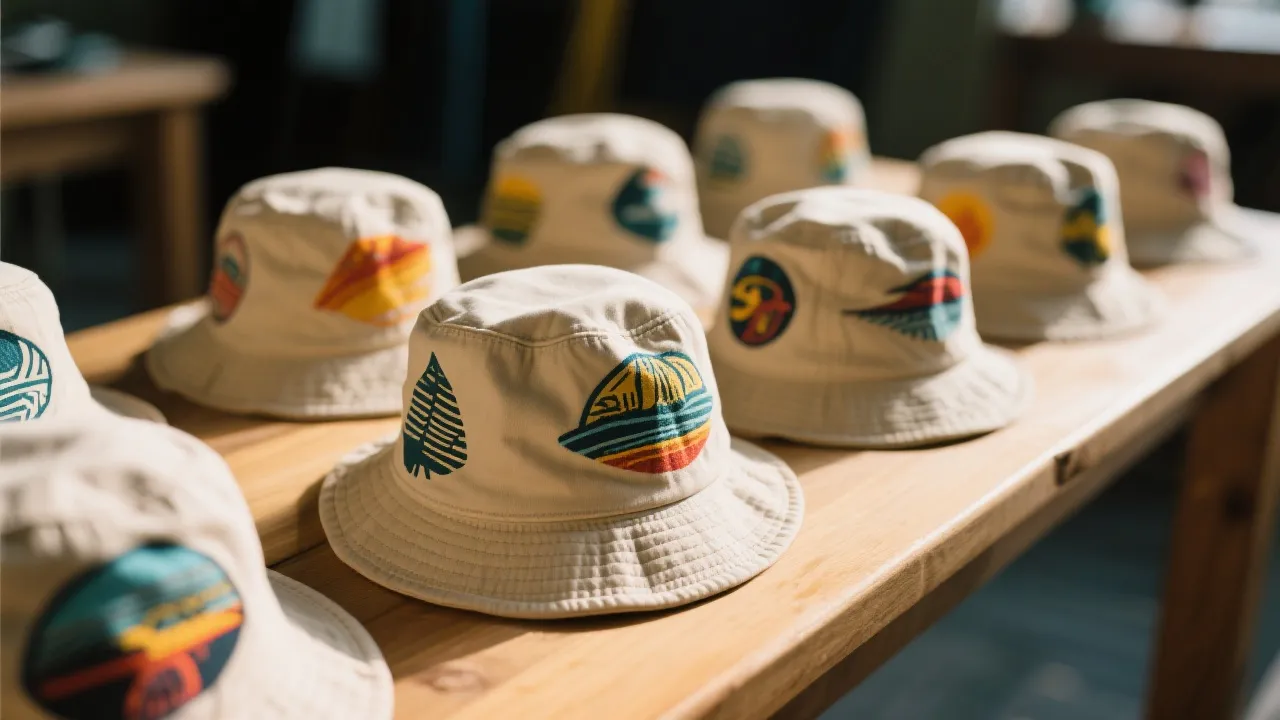
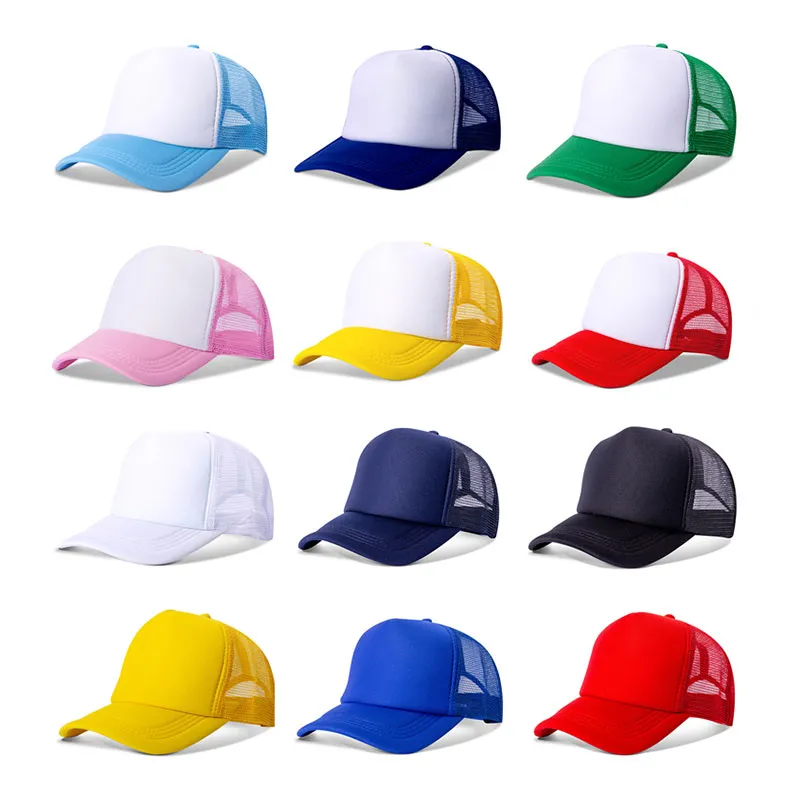
For importers, private labels, and promotional buyers: if you’re sourcing a breathable cotton baseball cap for international markets, the “right” choice is rarely about one feature. It’s the combination of fabric feel, fit tolerance, decoration efficiency, and the trend story your end customers want to wear.
You’re likely seeing the same signal across regions: vintage/washed aesthetics keep resurfacing, while buyers still demand everyday comfort, unisex styling, and reliable customization. Below is a practical, sourcing-first checklist (with real trade-offs) so you can select—and sell—breathable cotton caps with confidence.
1) Start with the market reality: “retro” sells, but comfort closes the order
Across North America and Europe, baseball caps remain one of the highest-velocity accessories categories because they’re low size-risk, easy to brand, and work in multiple channels (DTC, retail, event merch, and uniform supply). Industry trackers and platform data commonly show that caps and hats can represent 8–15% of accessory add-on purchases for lifestyle brands during seasonal campaigns.
But in cross-border B2B, you don’t win on trend alone. Your overseas customer will ask: Will it feel breathable in summer? Will it fit different head shapes? Will the washed finish look consistent? Can you decorate it without high defect rates? That’s the decision framework you should optimize.
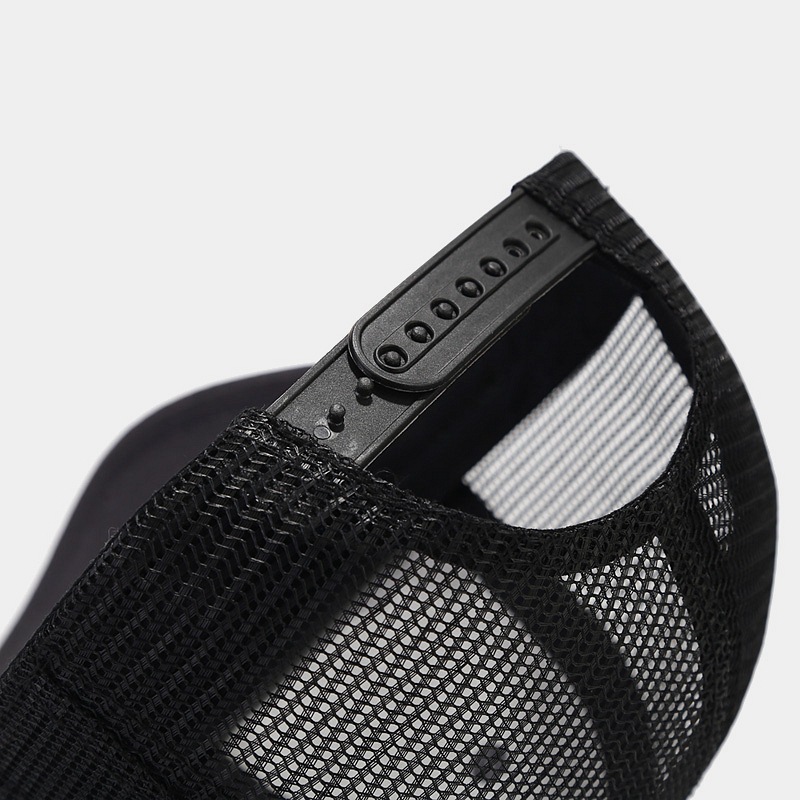
2) Breathable cotton fabric: what to specify (and why your buyer cares)
If your goal is a breathable cotton baseball cap that performs across climates, your fabric decision should be based on hand-feel + airflow + structure. In practical sourcing terms, many export-ready cotton caps use cotton twill or cotton canvas around 220–320 GSM (lighter for airflow, heavier for a more premium drape and better embroidery stability).
Cotton’s advantage is simple: it’s skin-friendly, absorbs moisture better than most synthetics, and communicates “natural” value in product listings. For hot and humid markets, pairing cotton with embroidered eyelets (or laser-cut ventilation in some designs) can noticeably improve comfort.
Material comparison you can paste into your internal sourcing sheet
| Material | Breathability | Hand-feel | Best use cases | Common watch-outs |
|---|---|---|---|---|
| 100% Cotton Twill | High (especially with eyelets) | Soft, broken-in feel after wash | Retail, brand merch, “four-season” everyday wear | Color variation after vintage wash; control batch consistency |
| Cotton Canvas | Medium–High | More substantial, premium weight | Workwear look, heavier embroidery, outdoor positioning | Can feel warm in peak summer if too heavy |
| Polyester | Medium (depends on weave) | Smoother, less “natural” touch | Sports events, quick-dry needs, lower-cost promos | Heat retention + “synthetic shine” may reduce premium perception |
| Cotton-Poly Blend | Medium–High | Balanced, more wrinkle-resistant | Uniforms, repeat orders needing stability | Be clear on blend ratio for labeling compliance |
If you’re targeting “comfort-first” positioning, cotton twill with a moderate GSM is typically the safest export option: it reads premium, wears well, and stays breathable—making it a four-season fashion staple in many markets.
3) Unstructured (soft) crown vs. structured caps: why global buyers increasingly prefer soft fit
When you pitch an unstructured soft baseball cap, you’re not just describing a construction detail—you’re selling a fit solution. Compared with traditional stiff, structured crowns, unstructured caps tend to:
- Fit more head shapes with fewer “too tall / too tight” complaints—useful for cross-border orders where returns are expensive.
- Feel lighter and more breathable, especially in warm-weather destinations and festival/event use.
- Look gender-neutral by default, which helps you scale a single SKU into multiple channels (streetwear, travel, casual corporate gifting).
- Pack and ship better for e-commerce bundles; they’re easier to fold without permanent deformation.
If your buyer’s audience is 18–35 or trend-led, the “soft crown + washed finish” combo often outperforms rigid silhouettes because it looks naturally lived-in from day one—no break-in period needed.
4) Distressed/washed finishing: a “vintage” story that boosts perceived value
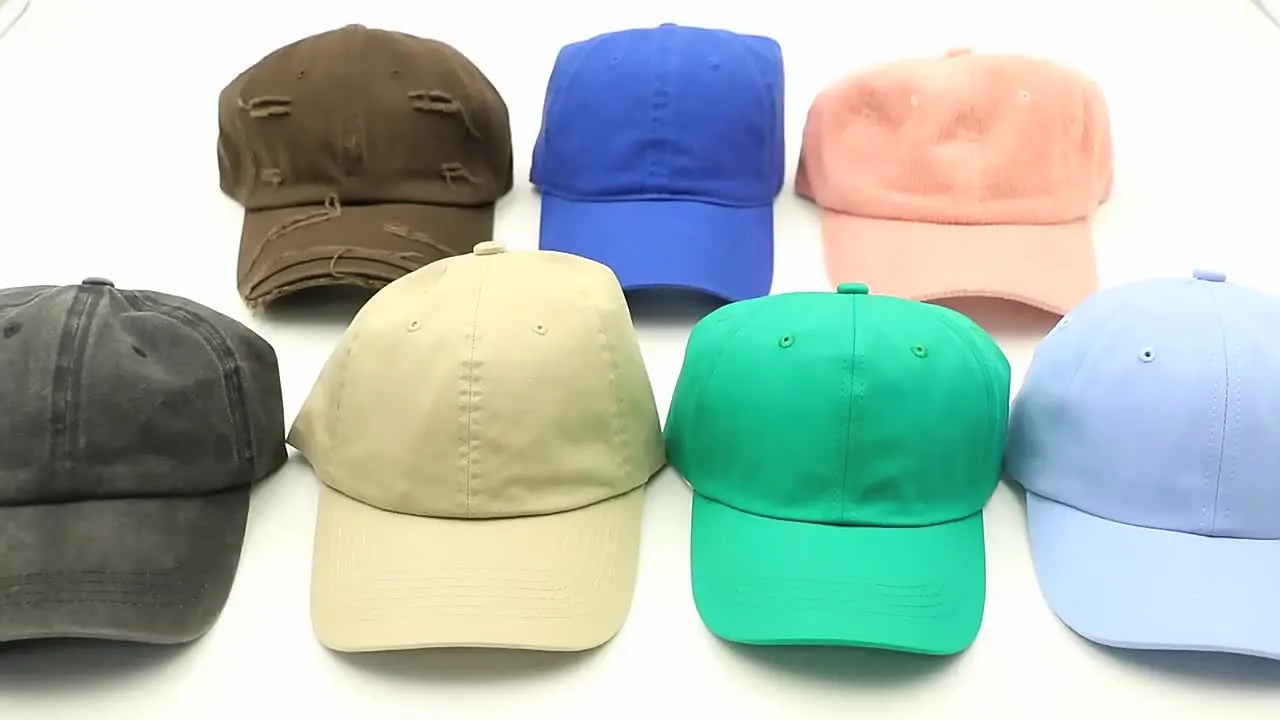
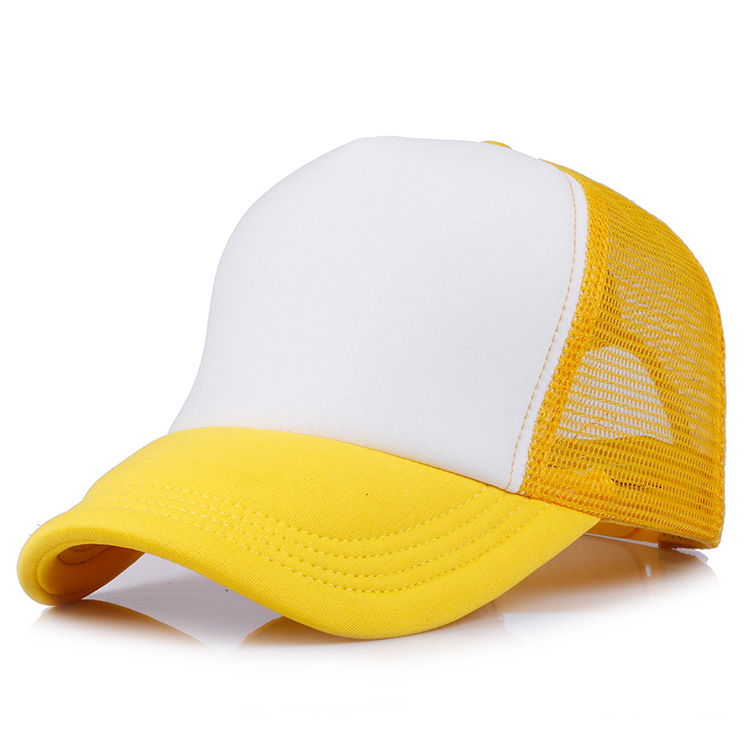
A distressed vintage cap (often achieved through garment washing, enzyme wash, light sanding, or controlled abrasion) does something important for your end customer: it makes the cap feel personal, not mass-produced. That emotional cue can lift conversion in lifestyle listings and event merch because the product looks “earned,” not “new off the shelf.”
For B2B, you should translate that style into operational language. When you discuss washed/distressed effects with a supplier, confirm:
- Color tolerance between batches (washed products naturally vary). Many buyers accept slight variation; premium retail programs may require tighter control.
- Edge wear placement consistency (brim edge, panels, seams) so the “distress” looks intentional rather than random defects.
- Bleeding/crocking risk for dark colors—important for markets where customers wear light garments.
If you want an easy value proposition for overseas listings, try framing it as: “Vintage-washed character with modern comfort—ideal for streetwear drops and brand merch.”
5) Adjustable metal buckle: the small detail that reduces size-related complaints
In export markets, “one-size” must feel credible. A metal buckle strap (instead of plastic snaps) often communicates higher quality and lasts longer under repeated adjustment—especially for travel, outdoor use, and promotional distribution.
Practically, adjustable straps can cover a broad range of adult head circumferences—many caps target roughly 56–60 cm as a core range, with adjustability extending a bit wider depending on strap length. That range matters when your buyer is supplying mixed teams, events, or multi-country retail.
Buyer-language tip: When your customer asks about fit, don’t just say “adjustable.” Say: “Metal buckle adjustment reduces fit complaints and supports a wider range of head sizes—especially for promotional campaigns and team distribution.”
6) Customization methods: choose based on speed, budget efficiency, and brand impact
For custom baseball caps for export, decoration is where many orders are won or lost. The best method depends on your buyer’s channel:
| Customization | Best for | Look & feel | Operational notes |
|---|---|---|---|
| Embroidery | Retail brands, premium gifting | Textured, durable, premium | Great on cotton; confirm stitch count & placement to avoid puckering on soft crowns |
| Heat Transfer (HTV / DTF) | Fast-turn promotions, multi-color logos | Sharp color, graphic detail | Cost-effective for complex logos; verify wash/peel resistance for high-use programs |
| Woven/Embroidered Patch | Streetwear drops, club merch | Layered, collectible vibe | Useful when you want the same patch across multiple cap colors |
| Screen Print | Large-volume campaigns | Clean, bold, simple | Lowest per-unit at scale; best for 1–2 color logos |
If your buyer’s priority is maximum ROI per unit, heat transfer and screen print are often a smart path—making this cap an ideal choice for all kinds of promotional activities without sacrificing a “brandable” look.
7) Sell it through scenarios: how your customers will actually use it
Your product page (or quotation message) will convert faster when you help the buyer imagine end-use. A breathable cotton, unstructured, vintage-washed cap fits multiple real scenarios:
Outdoor & light sports
Breathability + soft fit matter on long days. Washed cotton also hides minor dust and wear better than glossy synthetics—useful for hiking, fishing, or casual cycling.
Travel & city walking
Unstructured crowns pack easily and rebound well. The metal buckle feels secure, and the vintage finish matches a wide range of outfits—helpful for “one cap for the whole trip” positioning.
Daily styling & brand merch
The neutral silhouette helps you sell across genders and age groups. Add embroidery or a patch for a premium streetwear vibe—this is where “four-season fashion staple” messaging performs best.
8) A quick buyer’s checklist before you place the PO
- Fabric: confirm cotton type (twill/canvas), GSM range, and colorfastness expectations after washing.
- Construction: unstructured crown, stitching quality, ventilation eyelets, sweatband comfort.
- Finishing: define “distressed” level with reference samples to avoid disputes.
- Fit: strap length + metal buckle durability; verify head circumference range for your target market.
- Customization: pick decoration based on your campaign goal (premium feel vs. fast turnaround vs. complex graphics).
- Compliance & labeling: fiber content labeling and care instructions aligned with destination market norms.
A question for you (so the next recommendation is more precise)
When you sell caps in your market, what drives more repeat orders: premium embroidery or fast, cost-effective heat transfer for promotions? And which destination countries are you prioritizing this season?
Leave a note with your target region and order quantity range—your answers change the best fabric weight, wash level, and decoration method.
Ready to launch a breathable cotton vintage baseball cap that buyers actually reorder?
Get a clear customization plan (embroidery/heat transfer/patch), fit guidance, and a production-ready spec sheet for your export market. This is a strong, low-risk SKU and an ideal choice for all kinds of promotional activities—from brand drops to corporate events.
Customize Your Breathable Cotton Vintage Unstructured Baseball Cap