In overseas B2B sourcing, a custom baseball cap is rarely “just a cap.” It is a wearable brand touchpoint—used in retail, events, staff uniforms, corporate gifting, and promotional campaigns. For buyers, two questions decide whether a cap becomes a repeat-order item: Does it feel right? and Does it keep its look after real-world use?
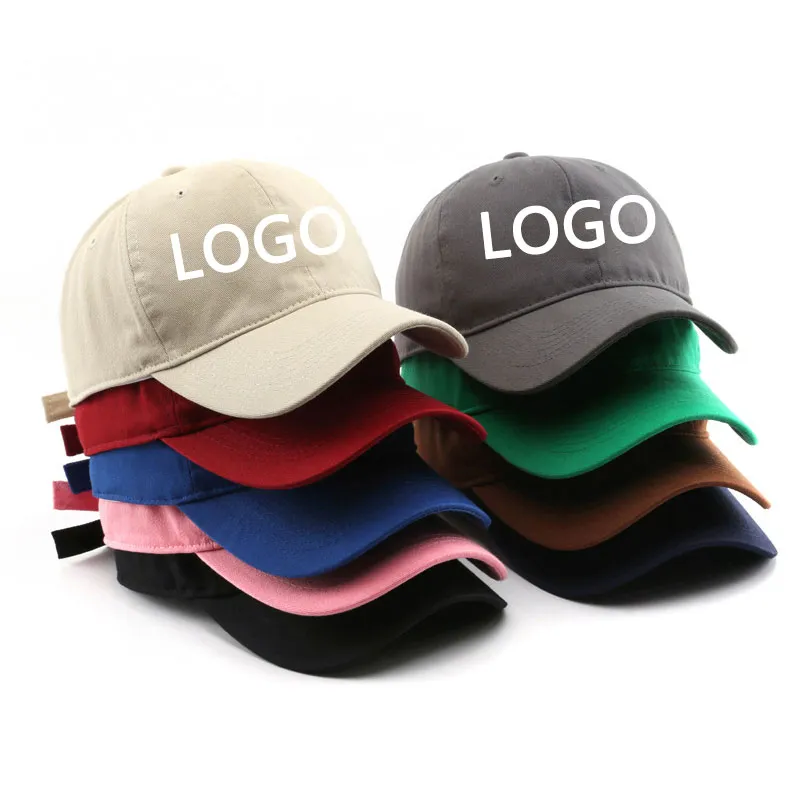
This article breaks down how to select an export-ready custom cap through two core dimensions—fabric and structural design—using a practical example: a men’s unstructured 100% cotton 6-panel baseball cap with an adjustable metal buckle strap, designed for comfort, fit range, and high-visibility logo customization.
Fabric is the first “silent salesperson.” In many markets, especially North America and Western Europe, buyers increasingly associate comfort and material honesty with brand credibility. A cap may look good in photos, but bulk feedback comes from how it feels after hours of wear—during a trade show shift, a summer outdoor activation, or daily commuting.
100% cotton remains one of the most export-friendly fabrics for unstructured baseball caps because it balances skin comfort, breathability, and stable customization performance. In buyer trials commonly seen in B2B promotions and uniform programs, cotton caps tend to receive higher “all-day wearable” ratings than many low-cost blends due to their softer hand feel and reduced heat buildup.
From a brand perspective, a cotton cap communicates “natural, approachable, premium-casual.” From a logistics perspective, cotton is widely understood by buyers, easier to specify in PO terms, and generally straightforward for compliance documentation compared with more complex coated fabrics.
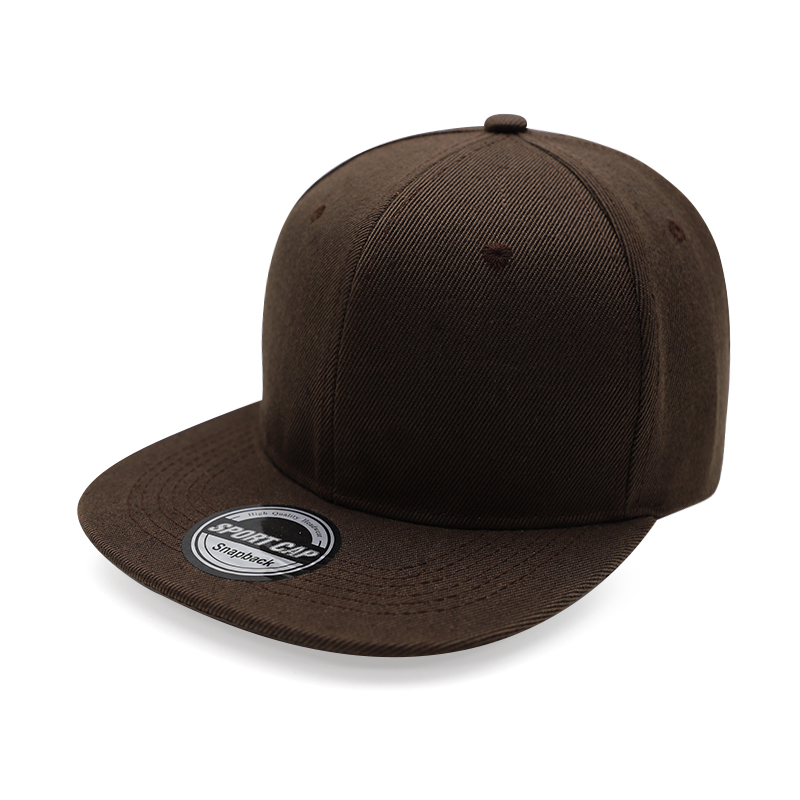
Buyers often worry that softer caps will wrinkle too easily or lose appearance after shipping. The solution is not to “over-stiffen” the cap, but to match cotton quality with a thoughtful build: consistent stitching, clean seam finishing, and a structure that fits most head shapes without pressure points.
In B2B, poor fit does not just create complaints—it creates program risk. A cap for an event team or retail shelf must fit “most people” without complicated sizing. This is why the combination of a 6-panel construction, an unstructured crown, and an adjustable metal buckle is so widely used for export campaigns.
A 6-panel design distributes fabric tension evenly around the crown, helping the cap sit naturally on different head shapes. Compared with simpler constructions, it often offers a more “retail-ready” silhouette while still supporting an unstructured, relaxed feel.
For international orders, sizing complexity increases operational costs. An adjustable metal buckle allows one cap to fit a broad head-circumference range, simplifying procurement for distributors and brand programs. It also sends a subtle premium signal compared with basic plastic closures—useful in corporate gifting and branded merchandise where perception matters.
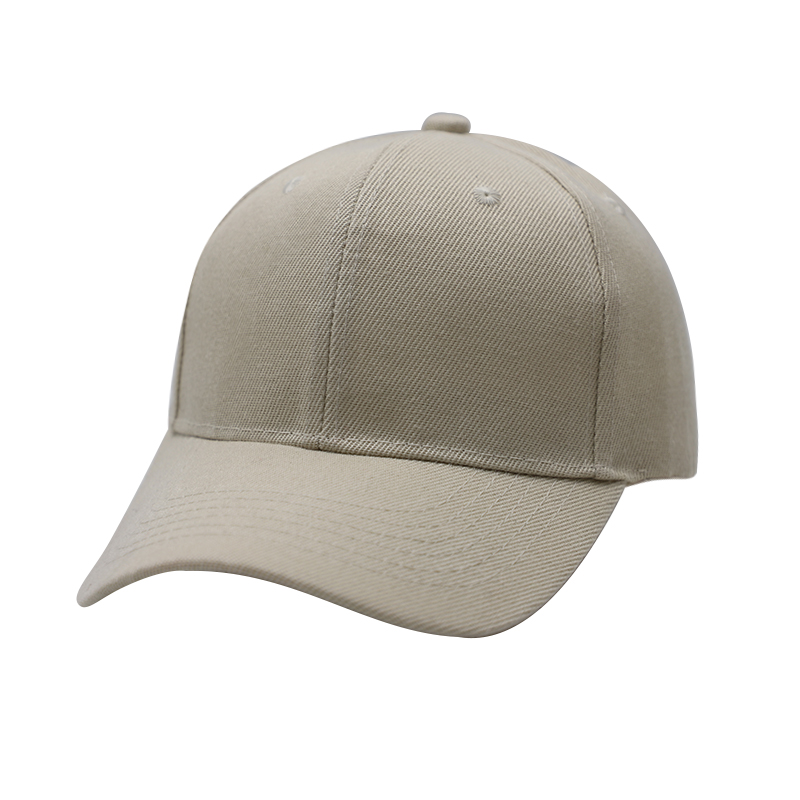
Custom caps succeed when the brand mark remains clear from a distance and consistent across batches. Buyers want options—because a minimalist fashion label and a construction company typically need different logo outcomes. A capable supplier should offer both hand-finished embroidery and multiple printing techniques to match design, quantity, and target market.
For B2B buyers who need brand consistency, the most persuasive promise is simple: “Let your logo stand out—clearly, confidently, and consistently across every shipment.” When embroidery density, thread color matching, and print curing are managed well, your cap becomes a moving billboard that feels premium rather than promotional.
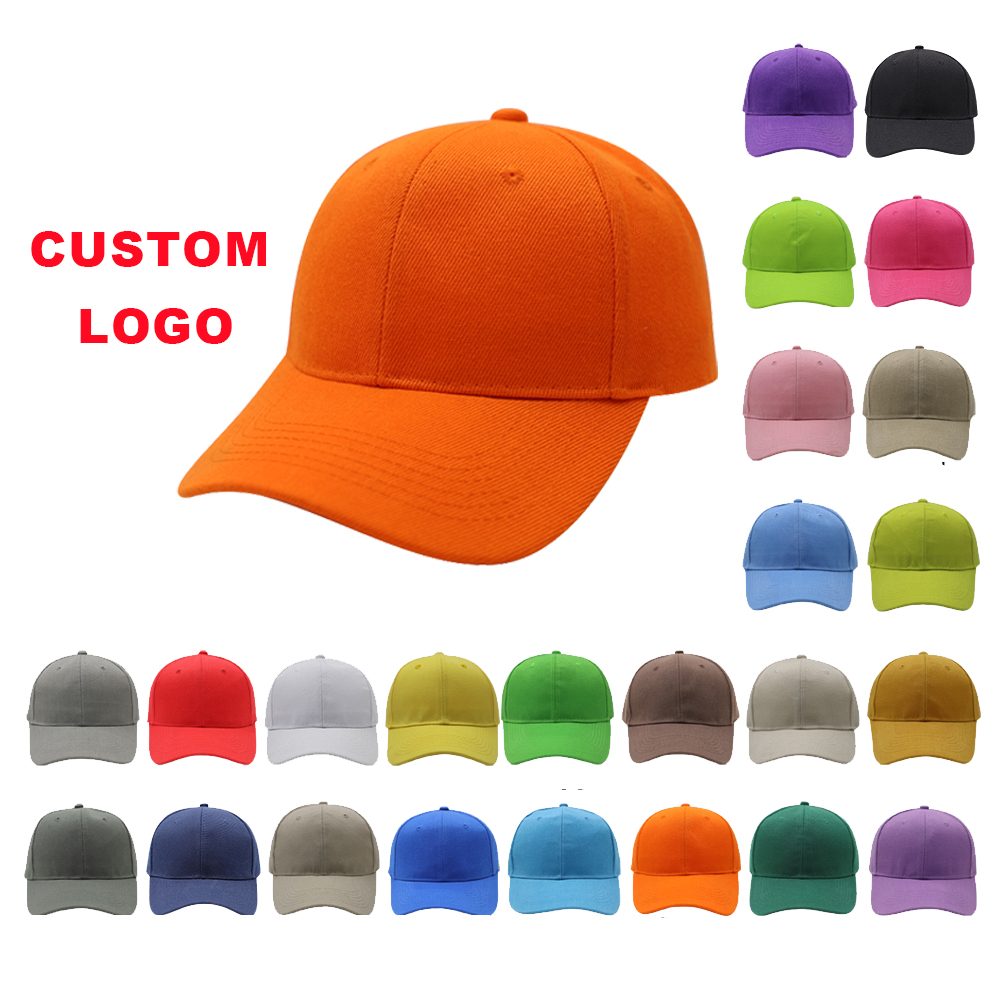
An export-friendly cap should work across seasons and contexts. A men’s unstructured cotton baseball cap is especially versatile: it pairs easily with business-casual outfits, weekend wear, and uniform looks. This versatility reduces SKU risk for importers and makes planning simpler for marketing teams.
Neutral, wearable styling supports broad demographics and repeat purchases—especially when colorways and logo placement are consistent.
A comfortable cap increases on-site wear rate—more photos, more visibility, and better ROI for the campaign.
Metal buckle detailing and clean finishing elevate the perceived value—ideal when you want recipients to keep wearing it, not leave it in a drawer.
Sustainability is no longer a “nice-to-have” in many tender processes. Even when certifications are not mandatory, buyers increasingly prefer products that feel honest and responsible. Cotton—when sourced and processed with stable dyeing and quality control—supports longer wear life, which is often the most practical sustainability: fewer replacements, less waste, and a better brand story.
From the supplier side, brands benefit when production is managed with consistent material tracking, workmanship checks, and clear customization proofs—so overseas clients can approve confidently and scale quickly.
In real export projects, buyers value speed, clarity, and consistency as much as the product itself. A capable team should help clients choose the right fabric weight, logo method, and placement—then confirm details with clear pre-production samples and repeatable QC checkpoints. That is how a “single order” becomes a multi-season cooperation.
When your cap is built on 100% cotton comfort, a 6-panel unstructured fit, and a metal buckle adjustment, your branding has the best stage to perform—clean, wearable, and export-ready.
Ready to create a cap that buyers actually want to wear? Choose embroidery or multi-process printing, match colors accurately, and deliver a fit that works for most head sizes. Get responsive support, clear proofs, and an experience designed for export programs—experience unmatched service from sampling to shipment.
Request Custom Options for 100% Cotton Men’s Unstructured 6-Panel Baseball Caps (Metal Buckle Adjustable)